
Away from the heady swirl of wealth, glamour, and excess that defines Monte-Carlo, Le Rocher (The Rock) — Monaco’s historic old town — reveals a calmer, more authentic side of Monaco. Perched dramatically on a rocky promontory above the Mediterranean, Le Rocher is the birthplace of the principality itself and remains its cultural and historical heart. Dominating the skyline is the elegant Palais du Prince (Prince’s Palace), the official residence of Monaco’s sovereign. Visible from many vantage points across Monaco, this commanding palace stands as a symbol of continuity, tradition, and enduring monarchy.
It was here on Le Rocher in 1297 that the Grimaldi dynasty first seized control of Monaco — a rule that continues to this day. According to legend, François Grimaldi captured the fortress by disguising himself as a monk and gaining entry under false pretenses before opening the gates to his soldiers. This audacious act laid the foundations for one of Europe’s longest-reigning royal families. Prince Albert II still resides at the palace, reinforcing Le Rocher’s status not merely as a historic district but as a living seat of power. François’ descendant Rainier I became the first official Prince of Monaco, establishing a legacy of leadership marked by devotion to the people and stewardship of the land — qualities that have shaped Monaco’s identity for over seven centuries.
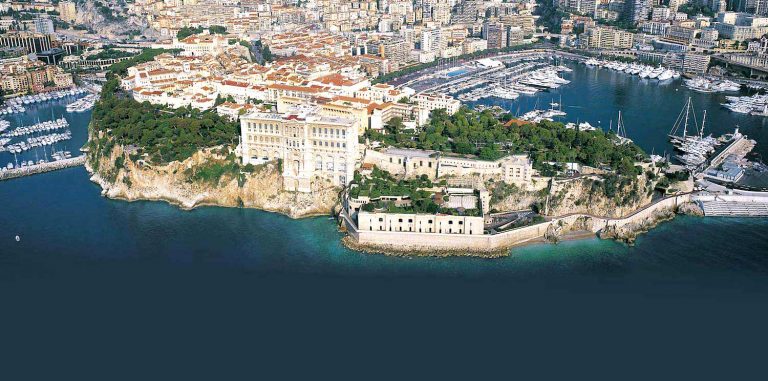
Walking from the Place du Palais along the ancient ramparts of Le Rocher offers some of the most spectacular panoramic views in Monaco. To the west lies the Port of Fontvieille, with its orderly marina framed by cliffs, while further beyond stretch the hills toward Nice. To the east, Port Hercule unfolds with its superyachts and curving harbor, leading the eye toward Cap Martin and the Italian coastline. These sweeping vistas make Le Rocher one of the best vantage points in Monaco for photography, sunset watching, or simply appreciating the principality’s unique geography.
Although Le Rocher attracts many visitors during peak summer months, it is at its most enchanting in the quieter shoulder seasons or during warm Mediterranean evenings. As crowds thin, the narrow medieval streets regain their tranquil charm, allowing visitors to experience Monaco much as locals do. Dining here is a pleasure, with several outstanding restaurants tucked into historic buildings. Establishments such as Le Pinocchio, U Cavagnetu, and the renowned La Montgolfière (reservations essential) serve refined Italian and French cuisine alongside traditional Monegasque dishes, offering an authentic taste of Monaco away from the glitz of Monte-Carlo.
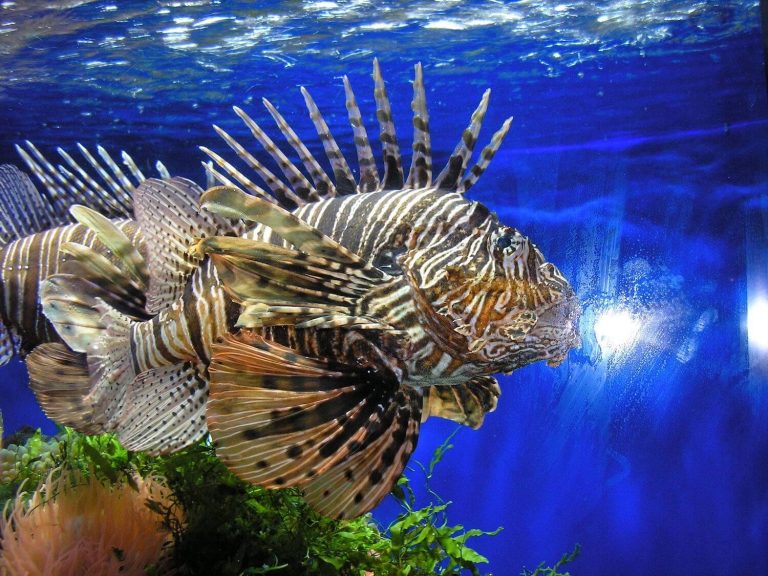
One of the crown jewels of Le Rocher is the Oceanographic Museum of Monaco, an architectural marvel dramatically built into the cliff face some 85 metres above the sea. Commissioned by Prince Albert I — a pioneering oceanographer — construction began in 1890 and took eleven years to complete before its grand opening in 1910. Today the museum stands as both a scientific institution and a monument to Monaco’s deep connection with the ocean. A vast hall honors Prince Albert I’s contributions to marine science, while below, expansive aquarium galleries showcase vibrant marine ecosystems from around the world. Visitors of all ages can lose themselves for hours among coral reefs, tropical fish, and mesmerizing underwater displays. One of the most memorable experiences is the interactive touch tank, where guests can gently handle small marine creatures — an unforgettable moment, especially for children.
Continuing east toward Port Hercule, visitors encounter Fort Antoine, a peaceful historic site with commanding views of the harbor. Originally an 18th-century fortress, it was destroyed during World War II and later rebuilt by Prince Rainier III in 1953 as an open-air amphitheatre. Today it hosts cultural performances during the summer while remaining a quiet place for reflection year-round. The surrounding display of cannonballs commemorates the soldiers once stationed here, and every November 19th cannons are ceremonially fired from this location to mark Monaco’s National Day.

Le Rocher also offers numerous green spaces that contrast beautifully with Monaco’s urban density. The Jardins de Saint-Martin, Monaco’s oldest public gardens, wind gracefully along the cliffside. Filled with Mediterranean plants, shaded paths, and sculptures ranging from classical works to contemporary pieces by local artists, the gardens provide a serene retreat with stunning sea views at every turn. Benches positioned along the paths invite visitors to pause, breathe, and absorb the timeless beauty of Monaco from above.
No visit to Le Rocher would be complete without stepping inside the Cathedral of St Nicholas, also known as Monaco Cathedral. Built from luminous white stone, this imposing Roman-Byzantine structure occupies a commanding position within the old town. Inside lie the tombs of Monaco’s past sovereigns, including Prince Rainier III and Princess Grace, whose story remains deeply woven into the principality’s modern identity. The cathedral’s peaceful interior offers a powerful sense of history and reverence, making it both a cultural landmark and a place of quiet contemplation.
Ultimately, Le Rocher encapsulates the soul of Monaco. While Monte-Carlo dazzles with casinos and luxury, the old town reveals the principality’s roots — a place where medieval streets, royal heritage, cultural treasures, and breathtaking natural scenery coexist in harmony. Standing atop the Rock, gazing across the Mediterranean, one can fully appreciate the remarkable journey of Monaco: from a fortified outpost seized by cunning in the 13th century to one of the world’s most distinctive and prosperous sovereign states today.
This article was written by Rachel Coles, charter broker at Bespoke Yacht Charter.
To discuss a luxury yacht charter in Monaco, please contact Rachel Coles at Bespoke Yacht Charter:


